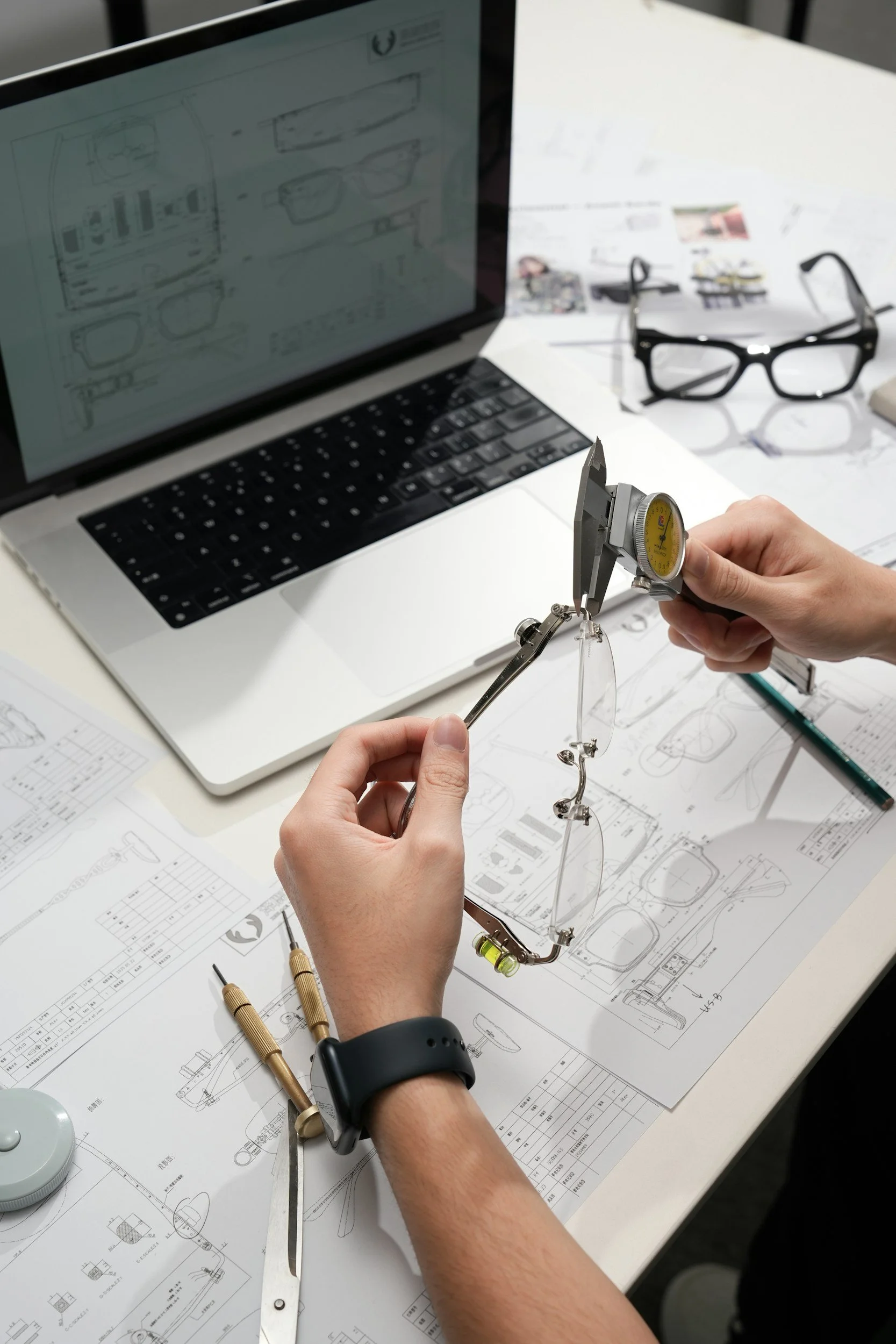
Quality Systems
& Tools
Build or strengthen the systems behind your quality program — the manuals, specifications and standards that turn "we know what good looks like" into something a new hire can execute.
Quality manuals, inspection standards and AQLs, product specifications, testing programs, and reporting that shows whether any of it is working. Designed for your team to run, not for a binder.
-
Develop a practical, customized Quality Manual that defines how quality is managed across your organization — from product development and supplier expectations through production and ongoing performance. Establish clear standards, responsibilities, and processes that create consistency across teams, suppliers, and products.
-
Develop product testing programs tailored to your products, materials, and customer expectations. Define testing requirements, methods, frequency, and acceptance criteria across product development and production to identify risks early, validate performance, and ensure consistent product quality.
-
Turn quality issues into actionable data with a customized defect tracking and reporting system. Establish consistent defect categories, severity levels, and reporting metrics that make it easier to identify recurring issues, understand trends, evaluate supplier and product performance, and prioritize corrective action.
-
Create customized Quality KPI dashboards that turn complex quality data into clear, actionable insights. Define meaningful metrics and reporting structures to track product and supplier performance, identify trends, surface risks, and help teams prioritize improvement efforts.
Need another set of eyes?
Sometimes a fresh perspective is all it takes to identify the biggest opportunities.